
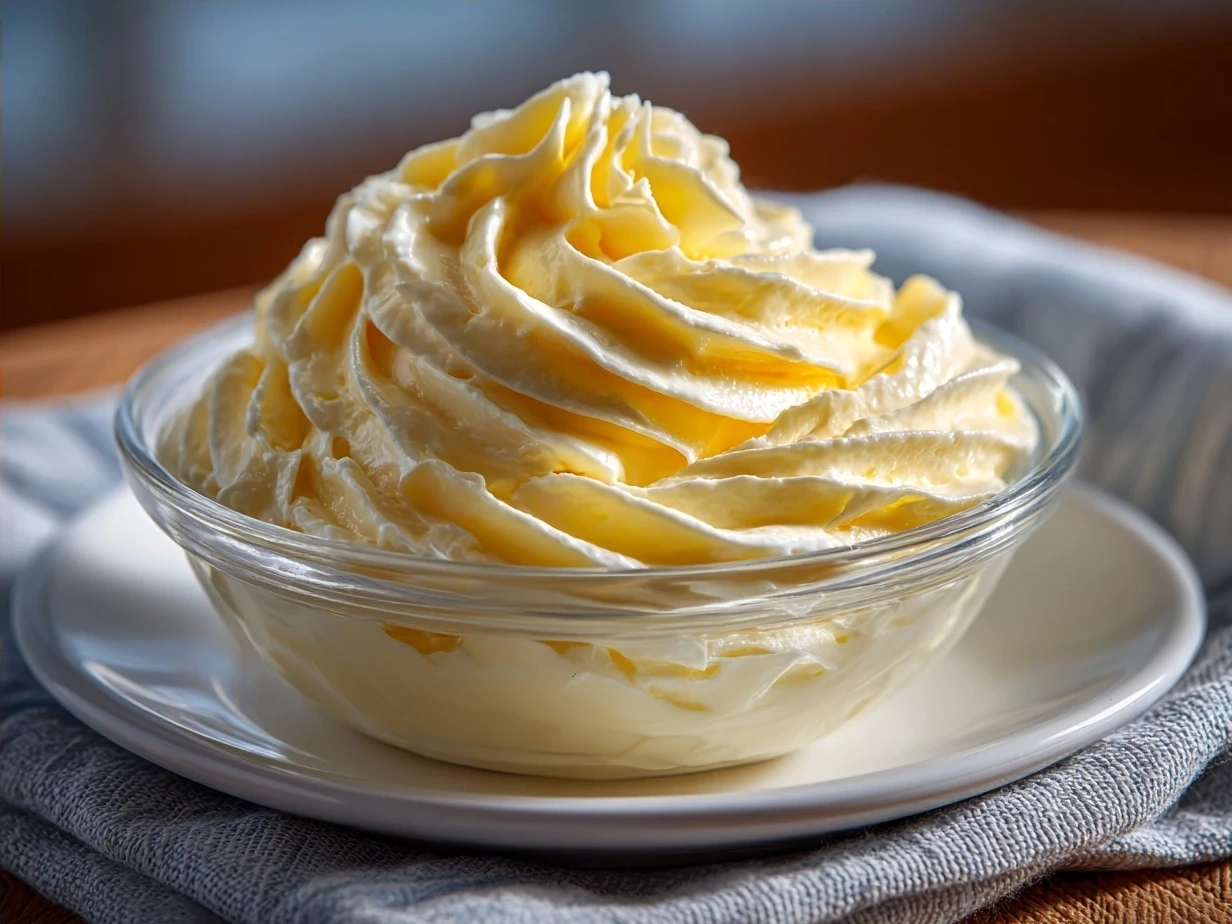
There’s something truly special about homemade mayonnaise, don’t you think? I remember the first time I made homemade mayonnaise in my little kitchen, the scent of fresh lemon zest mingled with the creamy, velvety texture just made me feel like I’d unlocked a secret from the heart of my grandma’s cookbook. It wasn’t just any mayonnaise, but homemade mayonnaise—a simple creation with just a handful of ingredients that somehow turns everyday sandwiches and salads into celebrations. I’ve tried plenty of mayonnaise recipes over the years, but the moment I mastered how to make mayonnaise that was rich, tangy, and free of preservatives, I never looked back.
What amazed me was how easy homemade mayonnaise really is to whip up. Sure, I had my fair share of cooking mishaps back in the beginning—like the time my mayo split into a broken mess and I wanted to toss the whole batch! But that was my “aha” moment, learning the perfect balance of slow, steady whisking and the secret to keeping my ingredients just the right temperature. Once I nailed it, homemade mayonnaise quickly became my family’s favorite condiment, fitting perfectly into our busy lives. It’s the kind of condiment I make on a lazy Sunday afternoon, then watch my kids pile it high on sandwiches for school lunches, or dollop onto fresh veggies for quick weekday dinners.
The joy I get from homemade mayonnaise goes beyond flavor—it feels nourishing to make something from scratch without preservatives or additives. This reminds me of those comforting recipes like my Apple Butter Brie Bites, which also adore natural, wholesome ingredients. If you’ve ever hesitated to try homemade mayonnaise because it sounded intimidating, I promise you this is one mayo recipe you’ll want to bring to your kitchen. And if you’re curious about easy homemade mayo or how to tailor mayo ingredients for your family’s tastes, I’m here to walk you through everything.
One more thing—if your pantry is ever feeling bare, knowing how to make homemade mayonnaise means you’re only a few simple ingredients away from turning basic dishes into something special. Why not come along with me? I’ll share my tried-and-true mayo recipe, practical tips, and little kitchen secrets that make homemade mayo a delight every single time. And while you’re here, check out this fun take on mayonnaise recipe variations that adds a new twist to the classic homemade mayonnaise.
What You’ll Need for This Homemade Mayonnaise
Alright, friend, let’s talk about the mayo ingredients that make homemade mayonnaise truly shine. I always keep these staples on hand because they make the process so smooth and the flavor so fresh. Here’s the list I swear by, and I’ll sprinkle in a few tips I’ve picked up for shopping and prepping to save you time when you’re juggling family life and homemade cooking.
- 1 large egg yolk (fresh and preferably organic)
- 1 tablespoon Dijon mustard (this adds a lovely tang and helps with emulsification)
- 1 tablespoon white wine vinegar or lemon juice (for that sharp, bright flavor)
- 1 cup neutral oil (I usually go for grapeseed oil or a mild olive oil)
- Salt to taste
- Optional pinch of sugar (for a hint of sweetness)
When I shop for mayo ingredients, I always choose eggs from a trusted source, like my local farmer’s market or organic section. Freshness is key here since we’re working with raw eggs in homemade mayonnaise without preservatives. If you’re wondering about oil options, cold-pressed or extra virgin varieties are wonderful but can be strong in flavor—so the mild oils work best for a balanced homemade mayonnaise taste.
Here’s a homemade mayonnaise trick I learned early on: warm your ingredients slightly to room temperature before starting. This little step helps the emulsion come together rather than breaking, especially if your kitchen is chilly. And if you’re pressed for time, don’t sweat it—using a blender or handheld mixer can speed up making easy homemade mayo without losing that homemade touch.
No kidding, homemade mayonnaise ingredients are quite budget-friendly compared to store-bought jars that often hide preservatives and fillers. Plus, you end up with a fresher and more flavorful condiment right at your fingertips. If you find yourself with extra ingredients, like mustard or vinegar, store them in airtight containers in the fridge and you can rely on them for other quick homemade favorites—like my Honey Glazed Corn Casserole which also takes advantage of wholesome pantry staples.
And speaking of alternatives for busy nights, if you want to try a rich eggless mayonnaise recipe with just 4 ingredients, check out this helpful eggless mayonnaise recipe. It’s perfect for anyone looking for a homemade mayonnaise variation without eggs.
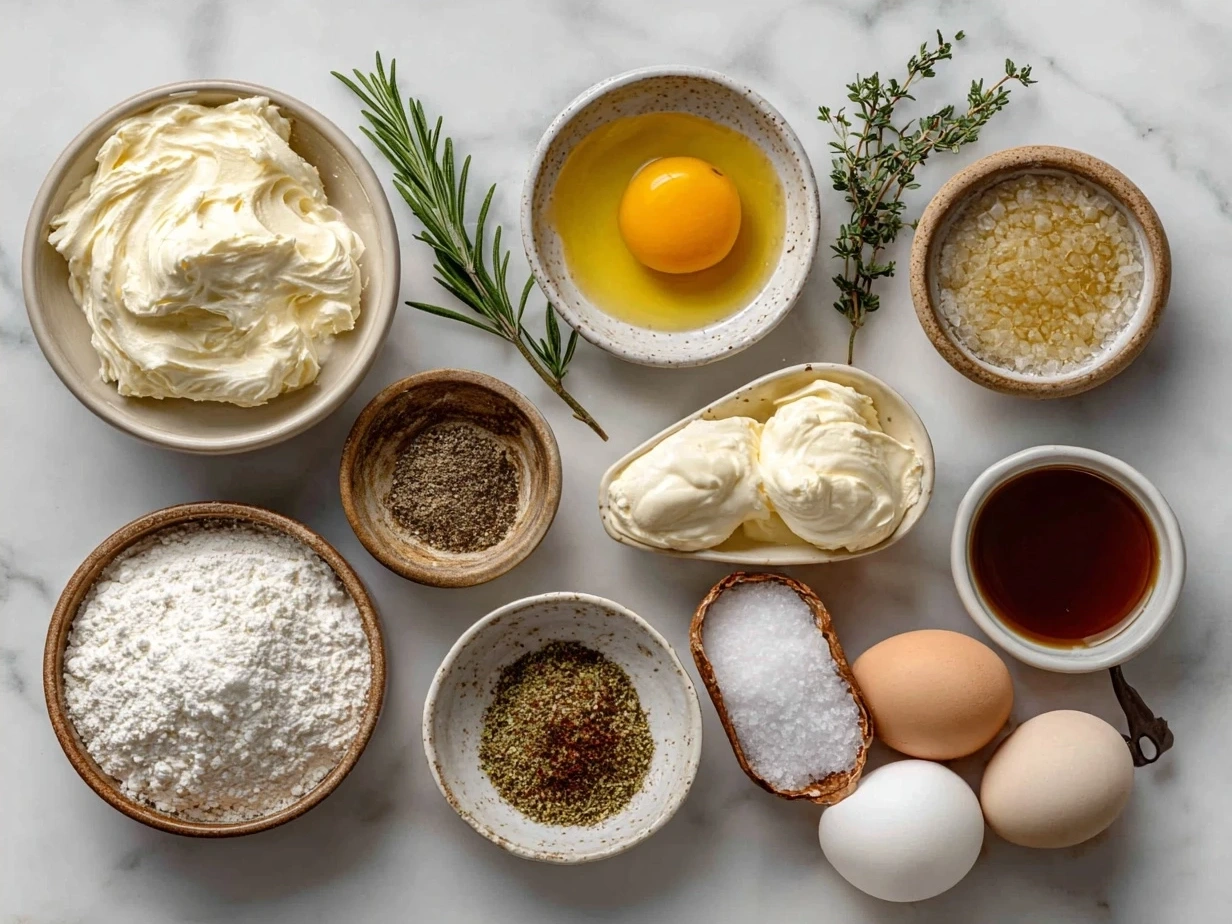
Let’s Make This Homemade Mayonnaise Together
Alright, grab your whisk or blender—we’re going to make homemade mayonnaise step-by-step, side-by-side. Don’t worry if you’ve never done this before, because that’s exactly how I started, and I’m here to share everything I’ve learned from my little kitchen mishaps and wins with homemade mayonnaise.
- Start with a clean bowl and room-temperature ingredients. This helps everything come together smoothly. I swear, this one tip saved me years of frustration learning how to make mayonnaise at home.
- Whisk together the egg yolk, Dijon mustard, and vinegar. This trio forms the base of your homemade mayonnaise. The mixture will start out a little runny, but that’s perfectly normal.
- Begin adding your oil very slowly, drop by drop at first. This step is crucial to building a creamy, thick homemade mayonnaise. I learned the hard way with homemade mayonnaise that rushing this part causes the sauce to “break” or separate.
- As the mixture thickens, you can start adding oil in a very slow, thin stream. Keep whisking constantly—or if you’re using a blender, keep it running at low speed. In my kitchen, homemade mayonnaise usually takes about 8-10 minutes of steady whisking or blending.
- Once all the oil is incorporated, add salt and taste. You might want to add a bit more lemon juice or vinegar depending on your preference.
Your homemade mayonnaise should have a smooth, creamy texture and a fresh tang that tells you it’s ready. It smells light, a little zesty with a bright edge from the vinegar. While the homemade mayonnaise is cooking—or let’s say, emulsifying—you can prepare your bread or salad ingredients, which is my usual routine on those busy school lunch prep mornings.
Pro tip: If your homemade mayonnaise looks like it’s splitting, stop adding oil immediately and whisk in a little bit of warm water or an extra egg yolk to bring it back together. For more helpful tips and troubleshooting, there’s a lovely homemade mayo recipe page with extra guidance that’s been a go-to for me.
Sometimes I like to tweak my homemade mayonnaise recipe by adding fresh herbs like dill or basil for a seasonal twist during summer—it’s a family favorite variation! And if you are wondering how to make mayonnaise creamy without all the fuss, using a food processor or handheld immersion blender makes it easy and fast, especially on a school-night crunch.
How I Love to Serve This Homemade Mayonnaise
This homemade mayonnaise is the unsung hero of many meals in my house. My family loves it when I slather it generously on turkey sandwiches, but it also makes a killer dip for crispy fries or crunchy veggie sticks. I find homemade mayonnaise pairs beautifully with simple sides—like a fresh arugula salad or sweet potato wedges—because it adds creaminess without overpowering other flavors.
I make homemade mayonnaise especially for gatherings on lazy Sundays or when I need a quick sauce that feels special. It’s perfect for everything from weekend picnics to casual barbecues. One of my personal favorite ways to serve homemade mayonnaise is alongside my Apple Butter Pie with Cinnamon Oat Topping, where a dollop of homemade mayo-based aioli gives a lovely savory balance.
Presentation-wise, nothing beats placing homemade mayonnaise in a pretty little jar with a sprinkle of paprika or fresh herbs on top—it makes your homemade mayonnaise feel like the star of the table. And here’s a little insider tip: If you have extra homemade mayonnaise, it keeps beautifully in the refrigerator for up to a week. You can stir it into potato salads, or use it as a base for creamy dressings or spreads, which keeps your meals interesting all week long.
Seasonally, I love playing with homemade mayonnaise variations by stirring in roasted garlic in the fall or a touch of fresh chipotle pepper in the winter for a smoky twist. Friends always ask for this homemade mayonnaise recipe because it tastes so fresh and homemade, rather than the store-bought stuff that’s sometimes heavy or a bit bland.
Your Homemade Mayonnaise Questions Answered
I get asked a ton of questions about homemade mayonnaise, so let me share some answers as if we’re chatting over coffee. You know what I do when my homemade mayonnaise doesn’t turn out perfectly? I’ve been there more than once!
A: That’s the classic mistake we all make at first. You just need to slow down the oil addition and whisk steadily. If it still breaks, add a teaspoon of warm water or another egg yolk and whisk it back together. It’s a total kitchen-life saver I learned after my first batch went south!
A: Definitely! I found an eggless mayonnaise recipe with 4 ingredients that’s surprisingly creamy and great for those wary of raw eggs. Here’s a helpful link with variations to try: Eggless mayonnaise recipe with 4 ingredients.
A: Since homemade mayonnaise doesn’t have preservatives, it keeps in the fridge for about a week. Always store it in a clean, airtight container. My homemade mayonnaise always tastes best fresh, but leftovers are great in sandwiches or as a quick dip.
A: I love neutral oils like grapeseed or light olive oil because they add creaminess without a strong flavor. Extra virgin olive oil is delicious but can be overpowering if used in large amounts.
A: Yes! Herbs, garlic, lemon zest, spices—the world’s your oyster. My family loves thyme-infused homemade mayonnaise in the spring and chipotle-spiced mayo in the winter.
A: It has simple, wholesome ingredients with none of the preservatives or additives you find in store-bought mayo. Plus, you control the ingredients—love that!
A: Using a blender or immersion blender is my shortcut, especially on busy mornings. Just blend all ingredients while drizzling oil slowly, and voilà—easy homemade mayo without the elbow grease.
One last tip I always share: if you love homemade mayonnaise and want to try a creative olive oil twist, check out this excellent Homemade Olive Oil Mayonnaise Recipe | Paleo Mayo. It’s a fantastic variation my readers rave about.
My Final Thoughts on This Homemade Mayonnaise
Homemade mayonnaise has really carved out a special place in my heart and my kitchen. It’s this simple, soulful condiment that turns everyday meals into little celebrations, and making it from scratch feels truly rewarding. Every batch I make brings back warm memories of family dinners and the satisfaction of knowing exactly what’s in my food.
1. Always use room temperature ingredients for best emulsification.
2. Start adding oil slowly—it’s the key to a thick, creamy mayo.
3. Don’t be afraid to fix a broken batch by adding warm water or an extra egg yolk.
Over the years, my family and I have enjoyed many homemade mayonnaise variations—like fresh herb, spicy chipotle, and classic garlic versions. My eldest daughter loves the tangy classic, while my son can’t get enough of the smoky chipotle mayo. I encourage you to make this homemade mayonnaise your own by trying flavors that make your family smile.
If you’re hungry for more comforting homemade recipes that pair beautifully with homemade mayonnaise, try the Apple Butter Brie Bites or my cozy Honey Glazed Corn Casserole —both favorites from my blog that share that same warm, homemade magic.
I genuinely hope this easy homemade mayo recipe inspires you to roll up your sleeves and make your own. Remember, the best homemade mayonnaise is the one made with love, patience, and a little kitchen grace. You’ve got this, friend!
Happy whisking,
Liliana
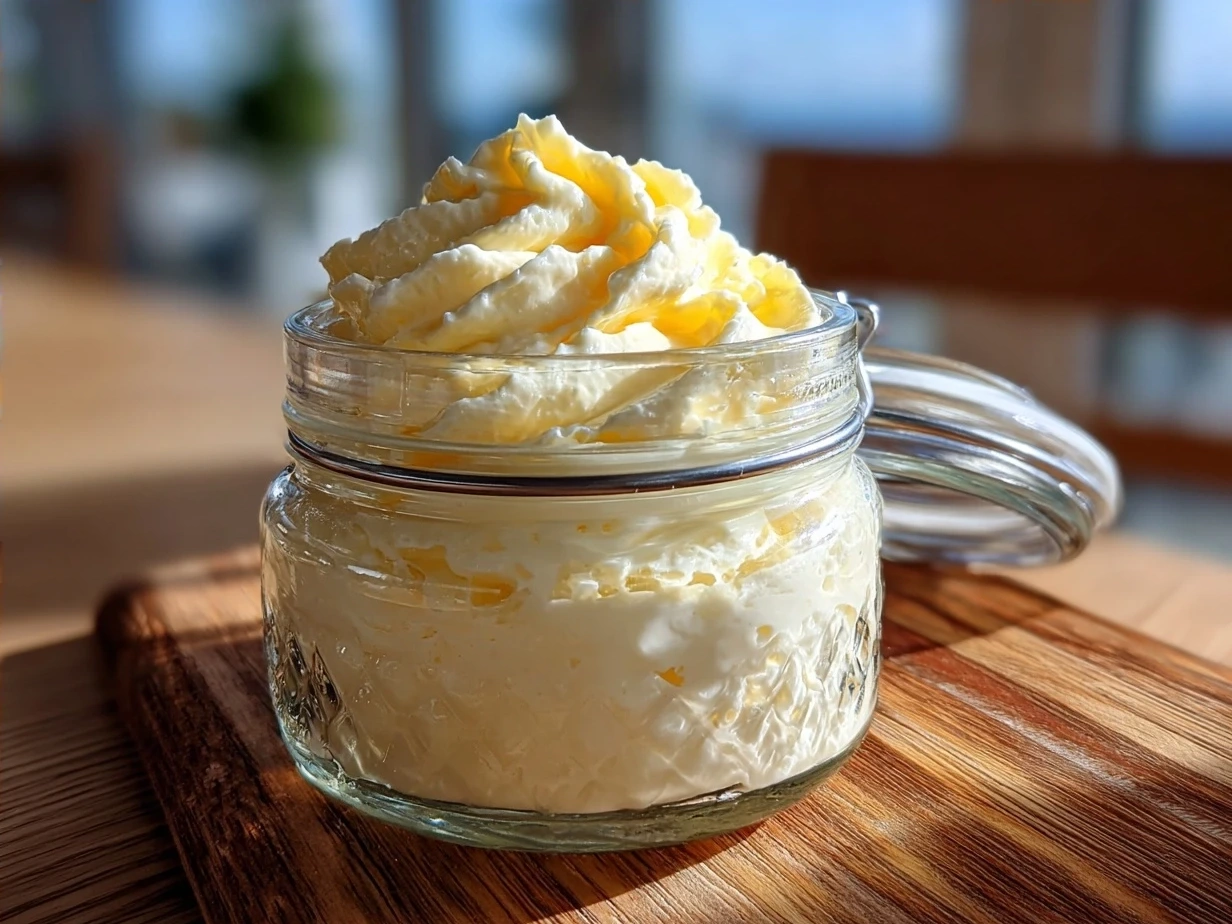
homemade mayonnaise
Creamy and fresh homemade mayonnaise made with simple pantry ingredients, perfect for sandwiches and dressings.
- Prep Time: 5 minutes
- Cook Time: 0 minutes
- Total Time: 5 minutes
- Yield: 1 cup
- Category: Snack
- Method: No-Cook
- Cuisine: American
Ingredients
- 1 large egg yolk
- 1 tablespoon Dijon mustard
- 1 tablespoon white wine vinegar
- 1 cup neutral oil (such as vegetable or canola oil)
- Salt to taste
- Freshly ground black pepper (optional)
Instructions
- In a bowl, whisk together the egg yolk, Dijon mustard, and white wine vinegar until well combined.
- Slowly drizzle the oil in a thin, steady stream while continuously whisking vigorously to emulsify.
- Continue whisking and adding oil until the mixture thickens and reaches mayonnaise consistency.
- Season with salt and black pepper to taste.
- Transfer to a jar and refrigerate for at least 30 minutes before using.
Notes
For a lighter texture, try using half oil and half light olive oil; add a squeeze of lemon juice for extra freshness.