

Okay, here we go! Let’s dive into making these ridiculously delicious, totally addictive Ramen Eggs.
Honestly, the first time I tried making Ramen Eggs, it was a complete disaster. I’m talking rubbery whites, chalky yolks – the whole shebang. I remember thinking, “What’s the big deal? It’s just an egg!” Oh, how wrong I was. Achieving that perfect balance of a soft, jammy yolk with a flavorful, soy-infused white takes a little bit of practice and, let’s be honest, a healthy dose of patience. But trust me, once you nail it, you’ll be making these all the time!
Now, Ramen Eggs have become a staple in our house. My kids practically fight over them! They’re amazing in, well, ramen (duh!), but also on avocado toast, in salads, or just as a quick and tasty snack. I even sneak one or two while I’m packing their lunches – don’t tell them! It’s a small thing, but it adds a little bit of deliciousness to their day. I initially learned about Ajitsuke Tamago from a foodie friend who travelled Japan often.
I started experimenting with Ramen Eggs when my youngest, Leo, went through a picky eating phase. I was looking for ways to add protein and flavor to his meals, and these marinated eggs were a total game-changer. He loved the slightly sweet, savory flavor, and I loved that he was actually eating something nutritious!
One of my biggest “aha” moments came when I realized the importance of the marinade. I used to just throw in some soy sauce and call it a day. But then I started experimenting with different combinations of soy sauce, mirin, sake, and even a little bit of brown sugar. The result? Ramen Eggs with layers of flavor that will blow your mind.
Life in my kitchen is usually pretty chaotic. Between school drop-offs, soccer practices, and running this blog, things can get a little crazy. But making Ramen Eggs is something I find surprisingly relaxing. There’s something about the gentle simmer of the eggs, the steeping in the savory marinade, and the anticipation of that perfectly cooked yolk that just calms me down. Plus, they’re fantastic to prep in advance! If you’re interested, I would also recommend giving my recipe for Loaded Cream Cheese Halloween Brownies a try.
So, if you’re ready to embark on a journey to Ramen Egg perfection, stick with me! I promise to share all my tips, tricks, and hard-learned lessons along the way. Let’s get cooking!
What You’ll Need for This Ramen Eggs
Okay, let’s gather our ingredients. Don’t worry, you probably have most of these in your pantry already! These Soy Sauce Eggs are a flavor bomb!
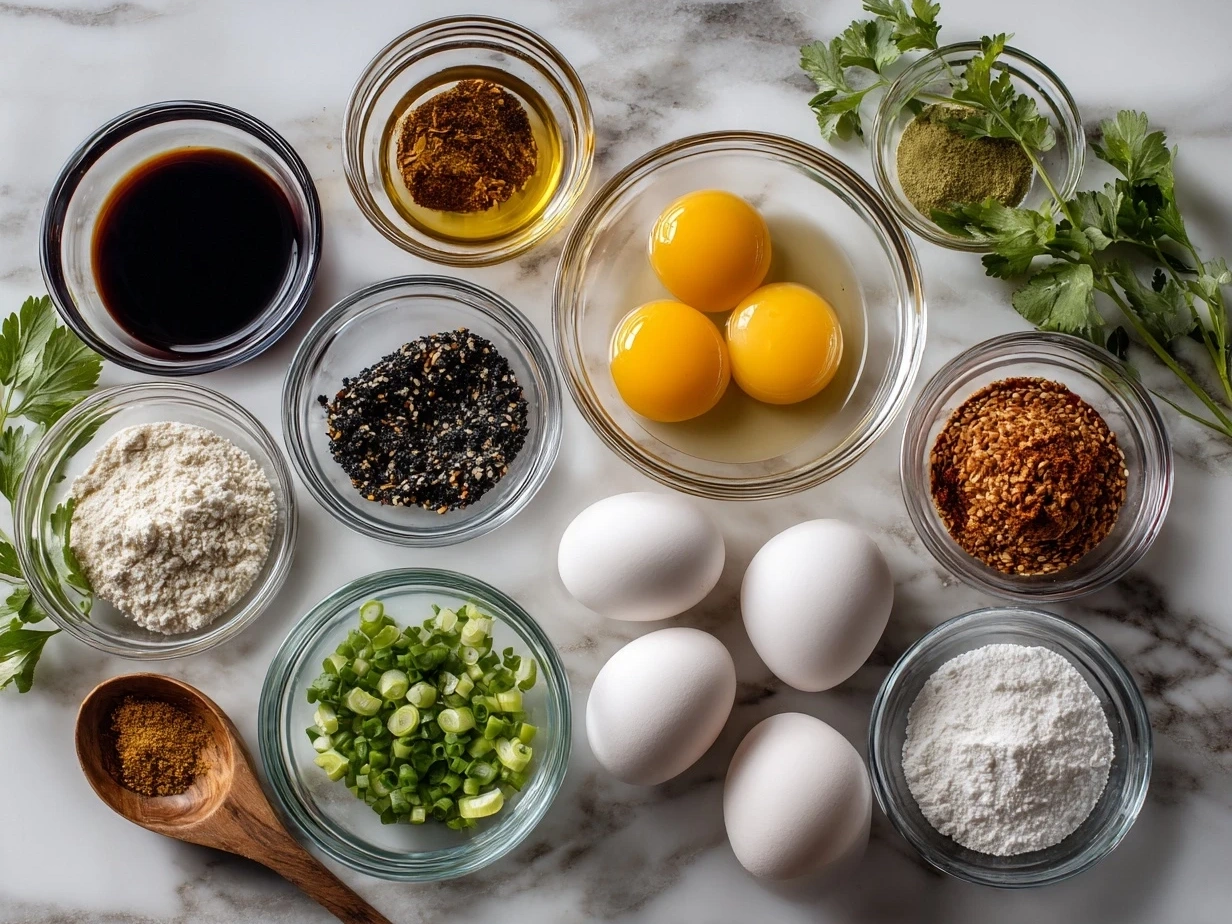
- 6 large eggs: I always use organic, free-range eggs for my Ramen Eggs. I find they have a richer flavor and a more vibrant yolk color.
- 1/2 cup soy sauce: I prefer low-sodium soy sauce so I can control the saltiness. But honestly, any soy sauce will work.
- 1/4 cup mirin: This adds a touch of sweetness and a lovely glaze to the eggs. If you don’t have mirin, you can substitute with a tablespoon of sugar dissolved in 1/4 cup of sake or dry sherry.
- 2 tablespoons sake (optional): Sake adds a subtle depth of flavor. If you don’t have sake on hand, don’t sweat it! Just leave it out, and your Ramen Eggs will still be delicious.
- 1 tablespoon brown sugar: This helps balance the saltiness of the soy sauce and adds a hint of caramel-like flavor.
- 1 cup water: To dilute the marinade slightly.
- 1 teaspoon rice vinegar: Adds a bit of tanginess.
- Optional flavor enhancers: A clove of crushed garlic, a small piece of ginger, or a pinch of red pepper flakes can add an extra layer of flavor to your Ramen Eggs.
Here’s a Ramen Eggs trick I learned from my grandma: add a pinch of salt and a tablespoon of vinegar to the boiling water when cooking the eggs. This helps the eggs peel easier! You can usually find all of these ingredients for making Ramen Eggs at your local grocery store. If you’re looking for high-quality soy sauce or sake, check out your local Asian market. For storing leftover Ramen Eggs ingredients, make sure to keep the soy sauce, mirin, and sake in a cool, dark place. Once opened, they should be refrigerated.
Let’s Make This Ramen Eggs Together
Alright, are you ready to make some magic? Let’s do this together, step-by-step. You will be eating some Umami Eggs very soon!
- Prep the eggs: Gently place the eggs in a saucepan and cover them with cold water. Make sure the water level is about an inch above the eggs.
- Cook the eggs: Bring the water to a rolling boil over medium-high heat. Once boiling, immediately reduce the heat to low and simmer for exactly 6 minutes and 30 seconds. Yes, the timing is crucial! This is how you get that perfectly jammy yolk for your Ramen Eggs.
- Ice bath: Immediately transfer the eggs to an ice bath. This stops the cooking process and prevents the yolks from overcooking. Let the eggs sit in the ice bath for at least 5 minutes. This is super important for easy peeling. I learned the hard way with Ramen Eggs that patience is key.
- Peel the eggs: Gently tap each egg on a hard surface to crack the shell. Then, carefully peel the shell off under cold running water. The ice bath should make this process much easier. Don’t worry if your Ramen Eggs aren’t perfectly smooth – they’ll still taste amazing!
- Make the marinade: In a small saucepan, combine the soy sauce, mirin, sake (if using), brown sugar, water, and rice vinegar. Heat over medium heat until the sugar is dissolved. Let the marinade cool completely. This takes about 15-20 minutes. While the Ramen Eggs marinade is cooling, I usually tidy up the kitchen or start prepping other ingredients for dinner.
- Marinate the eggs: Gently place the peeled eggs in a resealable bag or container. Pour the cooled marinade over the eggs, making sure they are fully submerged. Seal the bag or container and refrigerate for at least 6 hours, or preferably overnight. The longer they marinate, the more flavorful they will become. But trust me, even 6 hours is enough to get some amazing flavor into these Ramen Eggs.
- Enjoy! Remove the eggs from the marinade and slice them in half lengthwise. You can discard the marinade or reserve it for another use, like adding it to stir-fries or noodle dishes.
In my kitchen, Ramen Eggs usually takes me about 30 minutes of active cooking time, plus the marinating time. While the Ramen Eggs are cooking, I often put on some music and dance around the kitchen with my kids. It makes the whole process more fun! Your Ramen Eggs should smell like a delicious combination of soy sauce, sweetness, and umami. You’ll know they’re ready when the whites are a beautiful golden brown color. And if you love this recipe, you’ll also enjoy my Crockpot Mac and Cheese Recipe!
How I Love to Serve This Ramen Eggs
Okay, now for the fun part – eating! There are so many ways to enjoy these delicious little flavor bombs. We love eating these Soft Boiled Eggs with ramen!
My family loves this Ramen Eggs when I add them to homemade ramen bowls. I usually make a big batch of broth, add some noodles, and then let everyone customize their own bowl with toppings like sliced pork belly, green onions, nori, and, of course, Ramen Eggs. It’s a fun and interactive dinner that everyone enjoys.
- Steamed rice: A simple and classic pairing. The rice soaks up the delicious marinade from the eggs.
- Kimchi: The spicy, fermented flavors of kimchi complement the savory flavors of the eggs perfectly.
- Seaweed salad: A refreshing and light side dish that adds a nice textural contrast.
This Ramen Eggs is perfect for a quick and easy lunch, a satisfying snack, or a stunning addition to your next dinner party. I also love to bring them to potlucks – they’re always a hit!
For presentation tips, I like to arrange the sliced Ramen Eggs on a plate with a sprinkle of sesame seeds and a drizzle of the marinade. It looks so pretty and appetizing! If you have extra Ramen Eggs, you can store them in the refrigerator for up to 5 days. Just make sure they are fully submerged in the marinade.
I’ve also experimented with seasonal Ramen Eggs variations. In the fall, I like to add a splash of maple syrup to the marinade for a warm and cozy flavor. In the summer, I add a squeeze of lime juice for a refreshing twist. Friends always ask for this Ramen Eggs recipe whenever I serve it at parties.
Your Ramen Eggs Questions Answered
Alright, let’s tackle some of the most common questions I get about making Ramen Eggs. I will get you on your way to enjoying these delicious Soy Sauce Eggs in no time!
- How do I get the perfect soft-boiled yolk? This is the million-dollar question! The key is timing. I find that 6 minutes and 30 seconds is the sweet spot for a perfectly jammy yolk. But remember, cooking times can vary depending on your stove and the size of your eggs. You might need to experiment a little to find what works best for you.
- Why are my eggs so hard to peel? Ah, the dreaded egg-peeling struggle! There are a few things you can do to make it easier. First, make sure to use older eggs. Fresh eggs tend to be harder to peel. Second, add a pinch of salt and a tablespoon of vinegar to the boiling water. This helps to separate the egg from the shell. Third, and most importantly, immediately transfer the eggs to an ice bath after cooking. The cold water helps to shrink the egg and makes it easier to peel. You know what I do when my Ramen Eggs are being difficult? I lightly crack the egg all around and then gently roll it on the counter before peeling. It works like a charm!
- Can I use different types of soy sauce? Absolutely! I prefer low-sodium soy sauce so I can control the saltiness, but you can use any type of soy sauce you like. Just keep in mind that some soy sauces are saltier than others, so you may need to adjust the amount accordingly.
- Can I marinate the eggs for longer than 24 hours? Yes, you can marinate the eggs for up to 5 days. However, keep in mind that the longer they marinate, the saltier they will become. You might want to reduce the amount of soy sauce in the marinade if you plan on marinating them for longer than 24 hours.
- Can I freeze Ramen Eggs? I don’t recommend freezing Ramen Eggs. The texture of the whites can become rubbery after freezing.
- My Ramen Eggs are too salty! What can I do? If your Ramen Eggs are too salty, you can try soaking them in water for a few hours to draw out some of the salt. You can also serve them with a side of rice or noodles to help balance the saltiness. One time, I accidentally used regular soy sauce instead of low-sodium, and the eggs were way too salty. I ended up making a big batch of fried rice to go with them, and it actually turned out to be a delicious meal!
- Can I add other flavorings to the marinade? Absolutely! Feel free to experiment with different flavorings to create your own unique Ramen Eggs. Some popular additions include garlic, ginger, red pepper flakes, sesame oil, and green onions.
- Are Ramen Eggs safe to eat? As long as you cook the eggs properly and store them correctly, Ramen Eggs are perfectly safe to eat. Just make sure to refrigerate them within two hours of cooking and consume them within 5 days.
My Final Thoughts on This Ramen Eggs
This Ramen Eggs recipe holds a special place in my heart because it’s a testament to the fact that even the simplest ingredients, when combined with a little bit of love and patience, can create something truly extraordinary. Plus, it reminds me of Leo’s picky eating days.
- Don’t overcook the eggs! The key to perfect Ramen Eggs is a soft, jammy yolk.
- Use an ice bath! This stops the cooking process and makes the eggs easier to peel.
- Be patient! The longer the eggs marinate, the more flavorful they will become.
- Spicy Ramen Eggs: Add a pinch of red pepper flakes to the marinade for a kick.
- Smoked Ramen Eggs: Use smoked soy sauce for a smoky flavor.
- Citrus Ramen Eggs: Add a squeeze of lime or lemon juice to the marinade for a refreshing twist.
My husband, Marco, loves the spicy version, while my daughter, Sofia, prefers the classic flavor. Leo, of course, loves them all! For more delicious egg inspiration, check out this recipe for Perfect Ramen Eggs (Ajitsuke Tamago) – The Flavor Bender.
I hope you try this Ramen Eggs recipe and make it your own. Don’t be afraid to experiment with different flavors and variations. The most important thing is to have fun and enjoy the process! I am confident you’ll make delicious Ajitsuke Tamago with ease. If you want to see another take on this recipe, consider checking out Ramen Eggs (Ajitsuke Tamago) — Jun & Tonic.
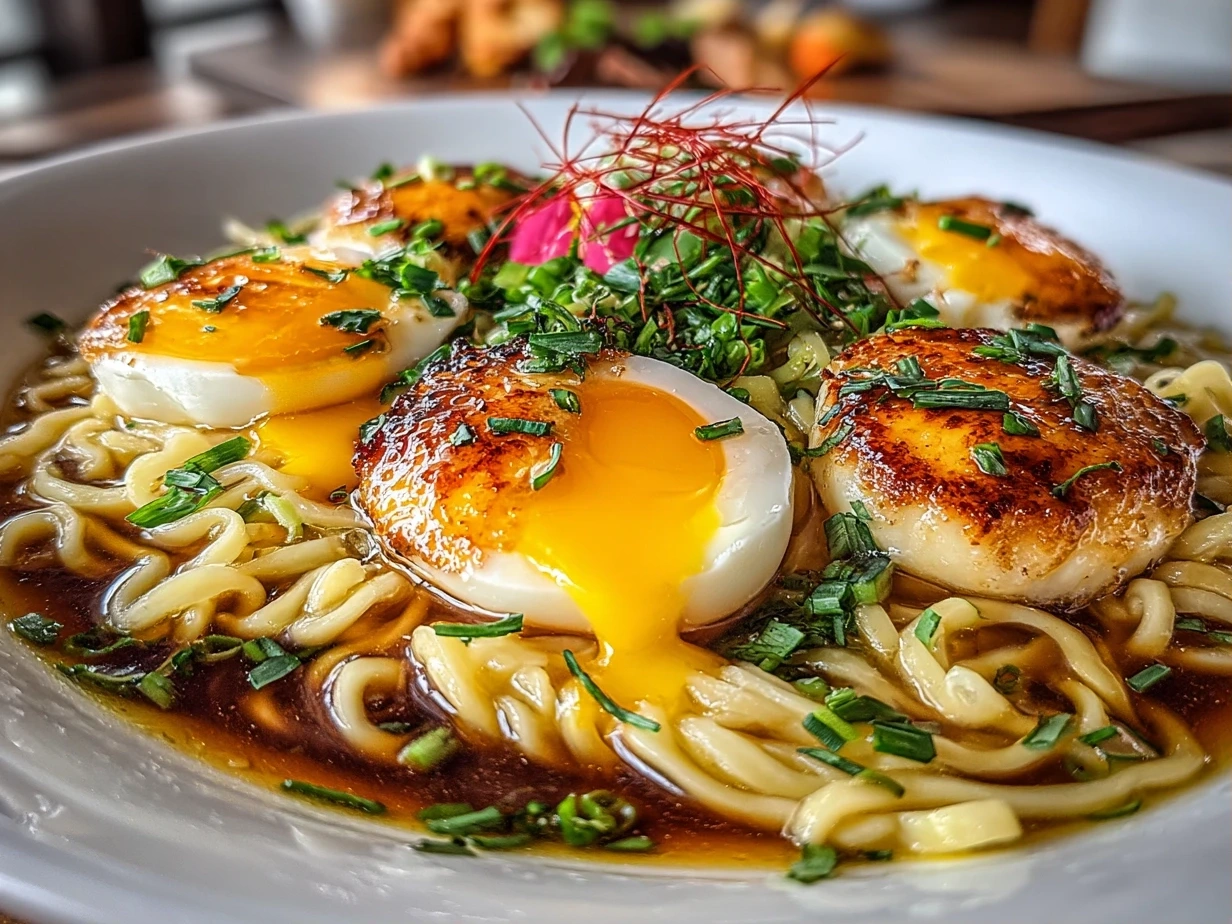
Happy cooking, friends! I know you can do it! May your Ramen Eggs be perfectly cooked, beautifully marinated, and utterly delicious. And if you give it a try, let me know in the comments below!
Ramen Eggs

Ramen eggs, also known as Ajitsuke Tamago, are soft-boiled eggs marinated in a flavorful soy sauce-based mixture. These umami-rich eggs are perfect as a topping for ramen or as a tasty snack.
- Prep Time: 10 minutes
- Cook Time: 10 minutes
- Total Time: 20 minutes
- Yield: 6 servings
- Category: Snack
- Method: No-Cook
- Cuisine: Japanese
Ingredients
- 6 large eggs
- 1/2 cup soy sauce
- 1/4 cup mirin
- 2 tablespoons sake (or rice wine vinegar)
- 1 cup water
- 1 clove garlic, minced (optional)
- 1 teaspoon ginger, grated (optional)
Instructions
- Bring a pot of water to a boil.
- Gently lower the eggs into the boiling water. Cook for exactly 6-7 minutes for a soft-boiled yolk.
- Immediately transfer the eggs to an ice bath to stop the cooking process.
- Once cooled, gently peel the eggs.
- In a small saucepan, combine soy sauce, mirin, sake (or rice wine vinegar), water, garlic, and ginger (if using). Bring to a simmer and cook for 2-3 minutes. Remove from heat and let cool completely.
- Place the peeled eggs in a resealable bag or container. Pour the cooled marinade over the eggs, ensuring they are submerged.
- Refrigerate for at least 4 hours, or preferably overnight, for the best flavor.
- Slice in half and serve.
Notes
For a deeper flavor, marinate the eggs for up to 24 hours. Serve these eggs with ramen, rice bowls, or on their own as a flavorful snack.