
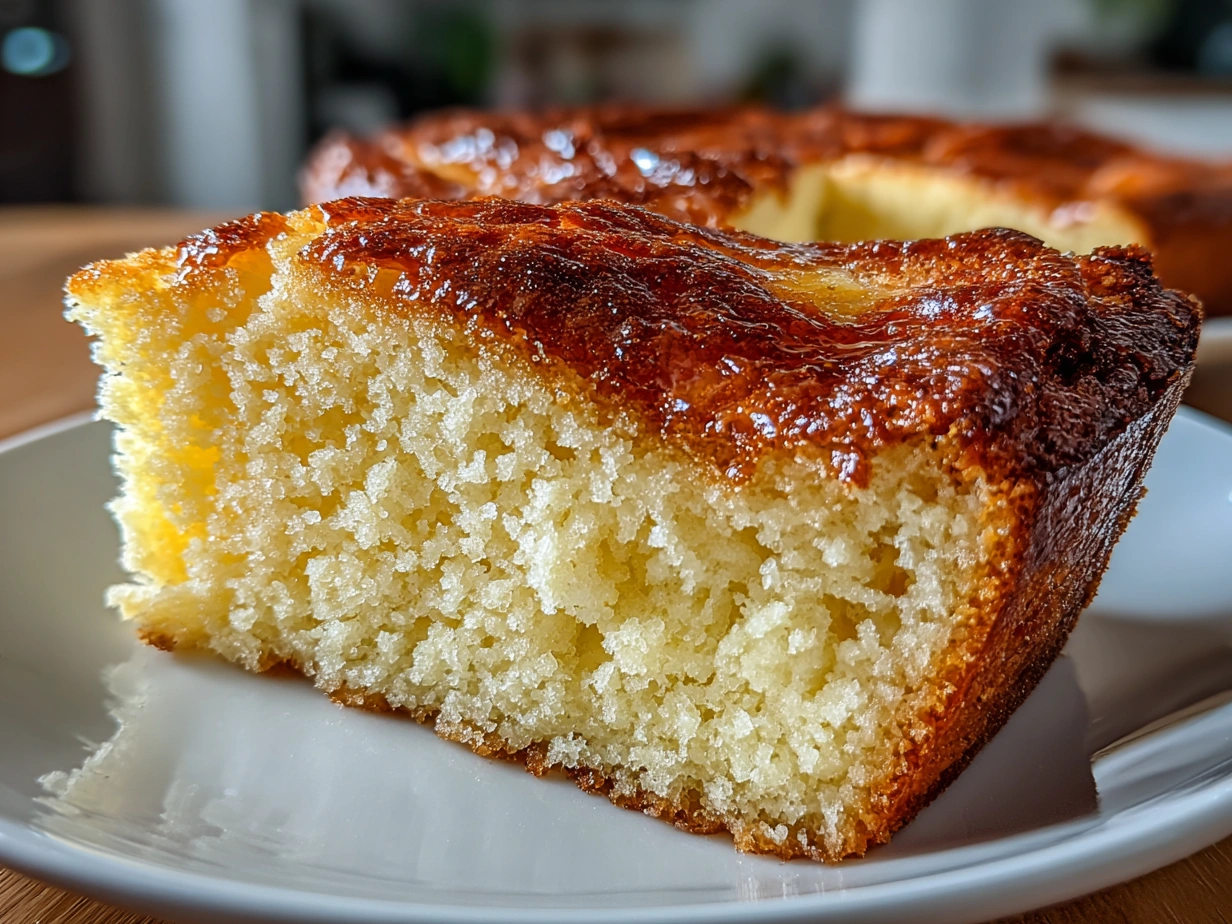
There’s something utterly enchanting about the smell of a French Butter Cake baking in the oven — that golden, buttery scent that fills the kitchen and wraps itself around you like a warm hug. The first time I made this French Butter Cake, I was chasing a memory from a little family trip to the French countryside, where my husband and I shared a slice of this humble, traditional French cake at a tiny bakery tucked away on a cobblestone street. It was rich yet simple, like the kind of treat you savor slowly over a cup of tea or coffee. That moment stuck with me, and over the years, I’ve turned that nostalgic taste into a family favorite right here in my own kitchen.
What I love about this French Butter Cake — or as it’s known in its homeland, French gâteau au beurre — is how it manages to feel both elegant and unfussy. It’s the perfect marriage of a moist butter cake and a buttery cake recipe that sings with the flavor of good butter, vanilla, and just the right amount of sugar. Believe me, I’ve had my fair share of mishaps trying to master this cake in those early days. My first few attempts were too dense or didn’t hold together quite right — a tricky balance, really. But with some patience (and a lot of licking the batter off the spoon), I realized that getting the butter precisely right — softened but not melted — was the key to that classic, melt-in-your-mouth French dessert feel.
This French Butter Cake has earned its spot in my weekly rotation not only because it’s delicious but because it’s so wonderfully adaptable and easy to make amidst the chaos of our busy family life. Sometimes, I pop it out when I have a quiet moment in the afternoon; other times, it’s the star of our weekend coffee ritual. Pairing it with a homemade butternut squash soup or a dusting of powdered sugar feels like a little celebration of everyday moments. And if you’re looking to mix things up a bit, this buttery cake recipe also pairs beautifully with seasonal fruits or a simple dollop of whipped cream.
If you’re just stepping into the world of French Butter Cake, or even if you’ve tried it before but want to get better at it, I’m here to share all the little kitchen secrets I’ve picked up along the way. From ingredient choices to baking tips, we’ll navigate this journey together. And I promise, once you get it right, this moist butter cake will become one of those go-to recipes everyone asks for at the table, just like it did in my family.
Oh, and speaking of getting inspired by relatively simple cakes, if you enjoy this French Butter Cake, you might also appreciate the rich flavors in my Vanilla Bean Brown Butter Cheesecake or even a festive Pumpkin Cannoli Cake Roll—because honestly, buttery cakes and French desserts just have a way of making life sweeter. For a little extra inspiration on classic baking techniques, I highly recommend checking out this Ridiculously Easy French Butter Cake – The Café Sucre Farine guide — it’s a gem!
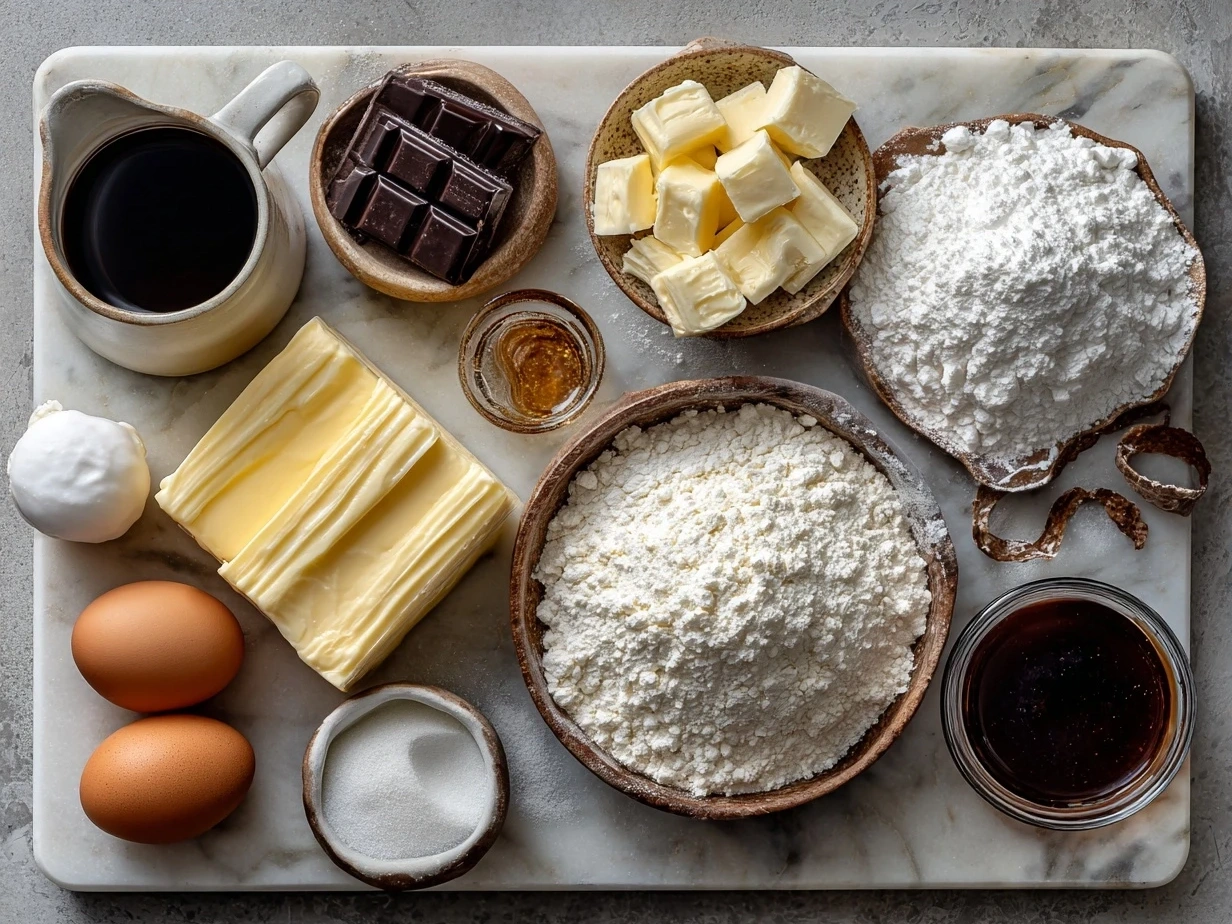
What You’ll Need for This French Butter Cake
When I gather ingredients for my French Butter Cake, I always like to keep things simple but top quality — because that’s what makes the difference in a traditional French cake. Here’s my trusty ingredient list, with exact measurements that have never failed me:
- 1 cup (225g) unsalted butter, softened but not melted
- 1 cup (200g) granulated sugar
- 4 large eggs, room temperature
- 1 ¾ cups (220g) all-purpose flour
- 1 teaspoon baking powder
- ¼ teaspoon salt
- 2 teaspoons pure vanilla extract
- Powdered sugar for dusting (optional)
When I’m selecting butter for the French Butter Cake, I always reach for the best-quality European-style butter I can find — it’s creamier and lends a richer flavor that really shines in this buttery cake recipe. You can often find this butter in the specialty dairy aisle or at upscale grocery stores. Don’t be shy about splurging a little here; it’s totally worth it.
One trick I learned making the French gâteau au beurre is to let the eggs come to room temperature before mixing. Cold eggs can cause your batter to curdle or not blend as smoothly, which can affect the texture of your moist butter cake. If you forget this step — trust me, I’ve been there — you can soften eggs quickly by placing them in warm water for a few minutes.
If you’re in a hurry or juggling a busy family schedule, here’s a tip: prep all your dry ingredients ahead of time by measuring and sifting them in a bowl. This makes mixing a breeze and avoids any last-minute flour dust explosions in your kitchen (also a story I know well). Plus, leftover flour and baking powder store well for future bakes, so keep them in airtight containers in a cool, dry place if you buy in bulk — it’s a small way to save money and keep baking supplies handy.
Oh, and speaking of ingredients, if you want to add a little twist, I’ve occasionally experimented with almond flour in place of some of the all-purpose flour for a nuttier flavor reminiscent of French mini almond cakes called financiers — but more on that fun variation later! If you’d like to peek into those delightful treats, Serious Eats has a fantastic recipe for financiers worth bookmarking.
This foundational French Butter Cake ingredient list gives you a reliable base for a moist butter cake that’s rich but not overly sweet — a true characteristic of a traditional French dessert. Now that you’ve got your ingredients lined up, it’s time to roll up your sleeves and move on to the fun part — baking!
Let’s Make This French Butter Cake Together
Alright, friend, now’s the moment where we get our hands happily messy and craft this French Butter Cake into something wonderful. Don’t worry if you’ve never made a gâteau au beurre before — I’m here to walk you through every step, sharing tips from my kitchen so you can nail that moist butter cake every time.
Step 1: Preheat your oven to 350°F (175°C). Grease an 8-inch (20cm) round cake pan with butter and dust lightly with flour, or line it with parchment paper for fuss-free removal.
Step 2: Cream the softened butter and sugar together. I like to use my stand mixer for this because it gives the best texture, but a hand mixer or sturdy whisk works too. Beat on medium speed until the mixture turns pale, fluffy, and smooth. Here’s a French Butter Cake tip I learned the hard way: don’t rush this stage! Proper creaming traps air, which gives the cake that delicate crumb.
Step 3: Add the eggs one at a time, beating well between each addition. Your batter might look a bit curdled at first — it’s normal! Keep mixing; the texture will come together nicely as you go.
Step 4: In a separate bowl, whisk together the flour, baking powder, and salt. Then gradually fold this dry mix into your butter mixture, adding the vanilla extract as well. Use a spatula and gentle folding motions to avoid over-mixing, which can make the cake tough. Your batter should be thick but smooth and glossy.
Step 5: Pour the batter into your prepared pan. Don’t worry if it looks thick — that’s exactly what you want in a moist butter cake. Smooth the top gently with your spatula.
Step 6: Into the oven it goes for about 40 to 45 minutes. Here’s my best sensory cue: your French Butter Cake should smell like a cozy, buttery vanilla dream when it’s almost ready. To check doneness, insert a toothpick in the center — it should come out with a few moist crumbs but no raw batter.
While the French Butter Cake is baking, I usually tidy up the kitchen or set the table — little moments that help me feel connected to the process instead of rushing through it. Baking’s a good excuse to pause and breathe, don’t you think?
Step 7: Once baked, let the cake cool in the pan for 10 minutes, then turn it out onto a wire rack. If you want that classic French dessert look, wait until it’s completely cooled, then dust the top lightly with powdered sugar. It’s such a nice little flourish that makes it feel special.
If you’re looking for family-tested shortcuts, one I use sometimes when I’m pressed for time is to prepare the batter the night before and refrigerate it. The cake may need an extra few minutes in the oven but the flavors develop beautifully. Just bring the batter back to room temperature before baking to avoid uneven cooking.
For baking inspiration or troubleshooting, I often revisit this detailed Gâteau Breton. A fabulous Butter Cake from France. – The Baking … guide — it’s another fabulous buttery cake from France that shares some techniques with French Butter Cake.
And don’t forget, if you love baking with different textures, combining this French Butter Cake with a rich, creamy option like my vanilla bean brown butter cheesecake can really make dessert time an occasion.
How I Love to Serve This French Butter Cake
Serving this French Butter Cake is one of my favorite parts — really, it’s such an everyday kind of pleasure! My family loves it warm or at room temperature, often with a simple accompaniment like a cup of strong coffee or an herbal tea. We usually keep sides minimal to let that moist butter cake shine.
Sometimes, I slice it with a generous spread of homemade fruit preserves — raspberry or apricot work beautifully — balancing the cake’s buttery richness with a bit of tart brightness. And for a little extra indulgence, a dollop of lightly whipped cream or mascarpone makes this buttery cake recipe feel like a real celebration, perfect for Sunday brunch or a special treat after dinner.
This French Butter Cake shines at casual gatherings too. It’s always a hit during cozy winter afternoons, paired with a warm bowl of butternut squash soup — which is another family favorite, and if you haven’t tried my Butternut Squash Soup recipe yet, you should definitely check it out. The sweet and savory combo is surprisingly comforting and delicious.
For special occasions, I’ve experimented with seasonal twists—like folding a handful of fresh berries into the batter or dusting the finished cake with a bit of cinnamon sugar to give it a fall feeling. Friends always ask for this French Butter Cake recipe when they visit, especially after I serve it alongside some warm mulled cider or a glass of dessert wine.
Oh, and by the way, leftover French Butter Cake keeps beautifully wrapped at room temperature for a couple of days, or in the fridge for up to a week. It also freezes well, so if you’re lucky enough to have extra, slice it and pop pieces in the freezer for a quick dessert fix.
In the mood for more buttery French desserts? You might also enjoy this tender Pumpkin Cannoli Cake Roll, which brings a playful touch to classic French flavors. It’s also a wonderful way to keep dessert exciting.
Your French Butter Cake Questions Answered
Q: Can I use salted butter instead of unsalted for French Butter Cake?
Absolutely, but I always recommend unsalted butter so you can control the salt in the recipe precisely. When I’ve used salted butter, I reduce or omit the added salt to keep the balance right.
Q: My French Butter Cake turned out dense and heavy. What went wrong?
This is a common hiccup! Usually, it means the butter wasn’t creamed enough, or the batter was over-mixed when adding the flour. Don’t rush the creaming step; it’s key to trapping air for a light, moist butter cake. Also, mix the dry ingredients in gently to keep the texture tender. You can see more tips on mixing techniques in this great French gâteau au beurre video tutorial I love.
Q: Can I substitute almond flour or gluten-free flour in this buttery cake recipe?
I’ve experimented with almond flour before for a lovely nutty twist, which adds moisture but changes the texture. Gluten-free blends can work too, but you’ll want one designed for baking with binding agents like xanthan gum. Friends of mine have had success using specific mixes in recipes like the French mini almond cakes (financiers), which I think pairs well with French Butter Cake techniques.
Q: How do I know when the French Butter Cake is done baking?
The classic sign is a toothpick test — it should come out with a few moist crumbs but no wet batter. Also, the edges will pull slightly away from the pan, and the top should have a light golden color with that inviting buttery aroma.
Q: Can this French Butter Cake be made ahead of time?
Yes! I like to prepare the batter the night before and bake fresh the next day. You can also bake the cake and keep it wrapped for a day or two; sometimes the flavors improve just from resting.
Q: What can I do if my cake sticks to the pan?
Using parchment paper liners makes life so much easier. Otherwise, thoroughly butter and flour the pan. If stuck, running a thin knife around the edges while the cake is warm helps, but avoid removing it hot to prevent breaking.
Q: How do you store leftover French Butter Cake?
Keep it in an airtight container at room temperature for a couple of days. For longer storage, the fridge or freezer works well. Just bring it back to room temperature or gently warm it before serving to refresh that moist butter cake texture.
If you want even more FAQs or inspiration on similar classic cakes, The Café Sucre Farine’s ridiculously easy French Butter Cake post has fantastic community answers and baking wisdom.
My Final Thoughts on This French Butter Cake
French Butter Cake holds a very special place in my heart — it’s the recipe that bridged a memory from a quaint French bakery into the everyday warmth of my kitchen. What I love most is its simplicity and versatility: a traditional French cake that never feels fussy, yet tastes indulgent enough to make ordinary moments feel exceptional.
My French Butter Cake Pro Tips:
– Always use high-quality unsalted European butter for that rich, authentic flavor.
– Don’t skip the creaming step — it’s the secret to a moist butter cake with light crumb.
– Bring eggs to room temperature before mixing for the best texture.
Over the years, I’ve added a few enjoyable variations to the French Butter Cake base — like sneaking in lemon zest for a fresh twist or folding in ripe berries for bursts of juicy flavor. My daughter adores the classic version plain with a dusting of powdered sugar, while my husband leans toward the almond-infused spin I mentioned before.
I encourage you to make this French Butter Cake your own. It’s forgiving, rewarding, and the kind of recipe that grows with your family traditions. Whether it becomes your weeknight dessert or a highlight of holiday gatherings, I hope it brings as much joy to your home as it does to mine.
If you’re still hungry for French buttery cakes, don’t miss checking out my Vanilla Bean Brown Butter Cheesecake or the seasonal Pumpkin Cannoli Cake Roll on the blog. Both share that same love for buttery, luscious desserts that make life a little sweeter.
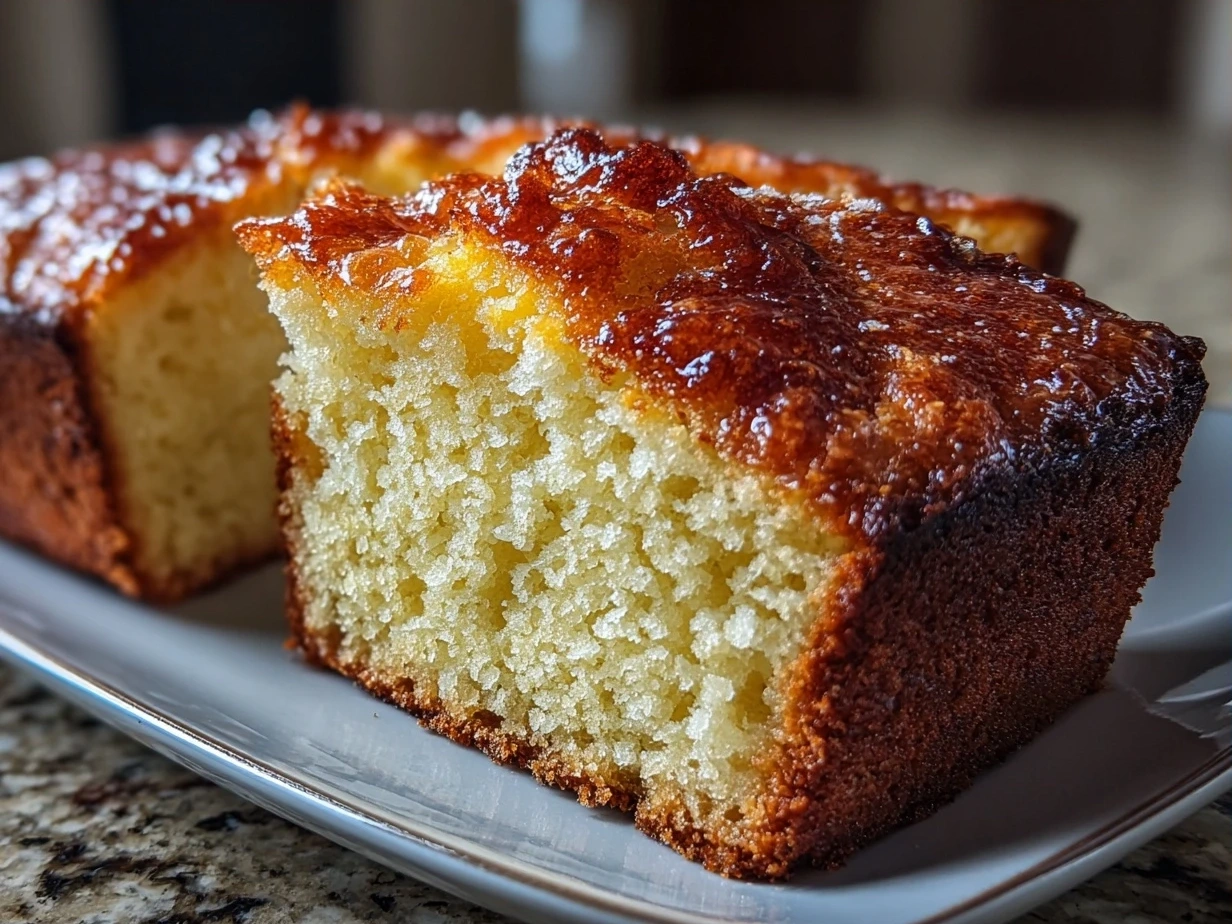
Thanks for baking along with me! Remember, the kitchen is your happy place — and this French Butter Cake is proof that a few simple ingredients can make the most delightful memories.
I hope you enjoy making and sharing this French Butter Cake as much as my family and I do. Happy baking, dear friend!
French Butter Cake
French Butter Cake is a rich and tender buttery cake with a delicate crumb, perfect for an elegant dessert or afternoon tea.
- Prep Time: 15 minutes
- Cook Time: 40 minutes
- Total Time: 55 minutes
- Yield: 8 servings
- Category: Dessert
- Method: Baked
- Cuisine: French
Ingredients
- 1 cup (225g) unsalted butter, softened
- 1 cup (200g) granulated sugar
- 4 large eggs
- 2 cups (250g) all-purpose flour
- 1/2 teaspoon baking powder
- 1/4 teaspoon salt
- 1 teaspoon vanilla extract
- 1/4 cup (60ml) milk
Instructions
- Preheat the oven to 350°F (175°C). Grease and flour a 9-inch cake pan.
- In a large bowl, cream together the softened butter and sugar until light and fluffy.
- Add the eggs one at a time, beating well after each addition.
- In a separate bowl, whisk together the flour, baking powder, and salt.
- Gradually add the dry ingredients to the butter mixture, alternating with milk, beginning and ending with the flour mixture.
- Stir in the vanilla extract until well combined.
- Pour the batter into the prepared cake pan and smooth the top.
- Bake for 35 to 40 minutes, or until a toothpick inserted in the center comes out clean.
- Allow the cake to cool in the pan for 10 minutes, then turn out onto a wire rack to cool completely before serving.
Notes
For extra flavor, serve with fresh berries and a dusting of powdered sugar or a dollop of whipped cream.